
ICNAME Conference 2021
The Fifth International Conference on Innovation and Cooperation in Naval Architecture and Marine Engineering (ICNAME 2021), together with the First International Forum on Intelligent and Autonomous Ship Navigation Technologies, was held from 16 to 17 November 2021. Distinguished experts and scholars from 95 universities, research institutes and enterprises across 15 countries, including China, Russia, France, Norway, Japan, South Korea and Singapore, participated both online and onsite.
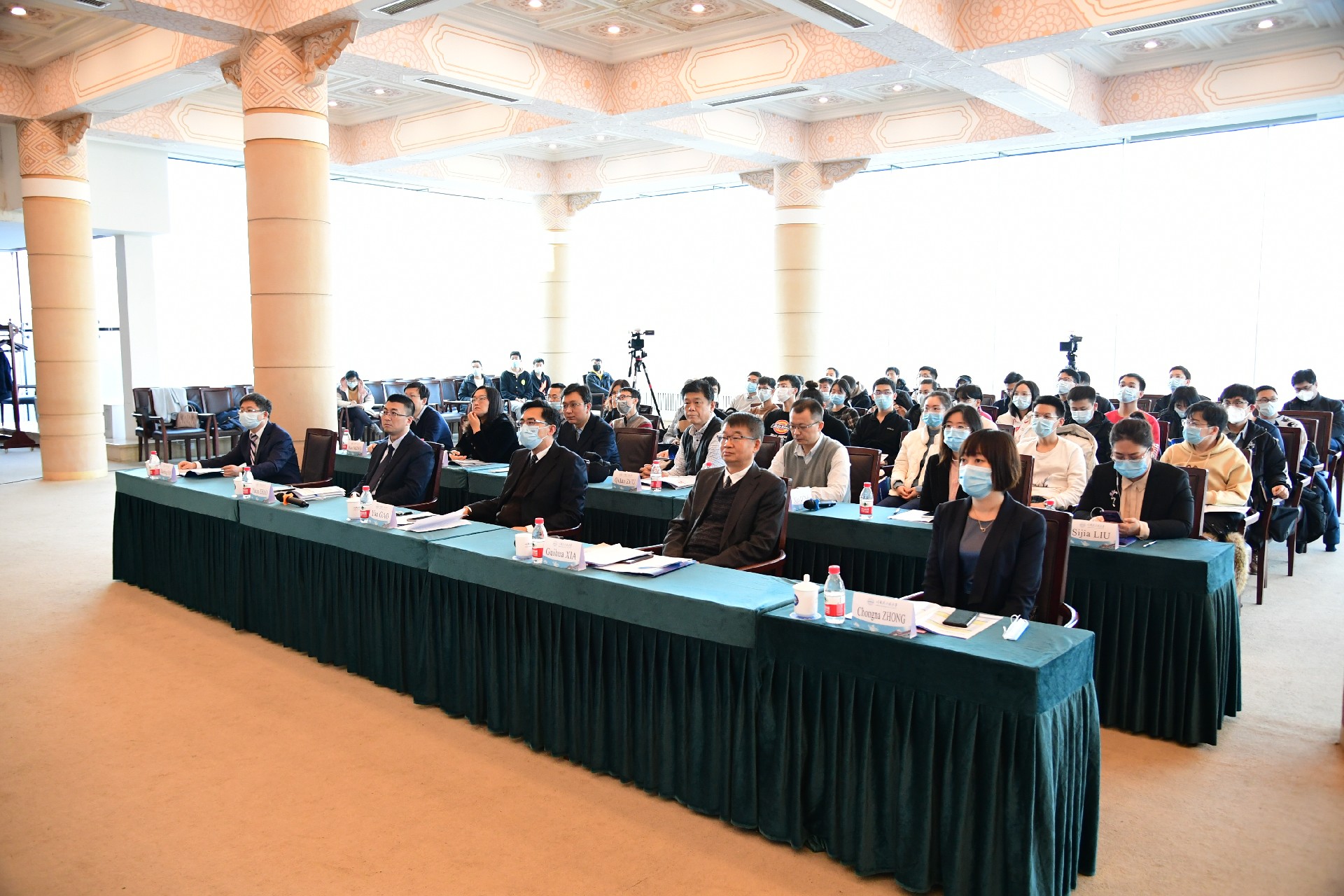
The conference focused on intelligent and autonomous ships and green shipping technologies. Participants exchanged views on the intelligent, autonomous, digital and low-carbon transformation of the maritime industry and jointly proposed the establishment of an International Joint Laboratory for Intelligent and Autonomous Ship Navigation Technologies.
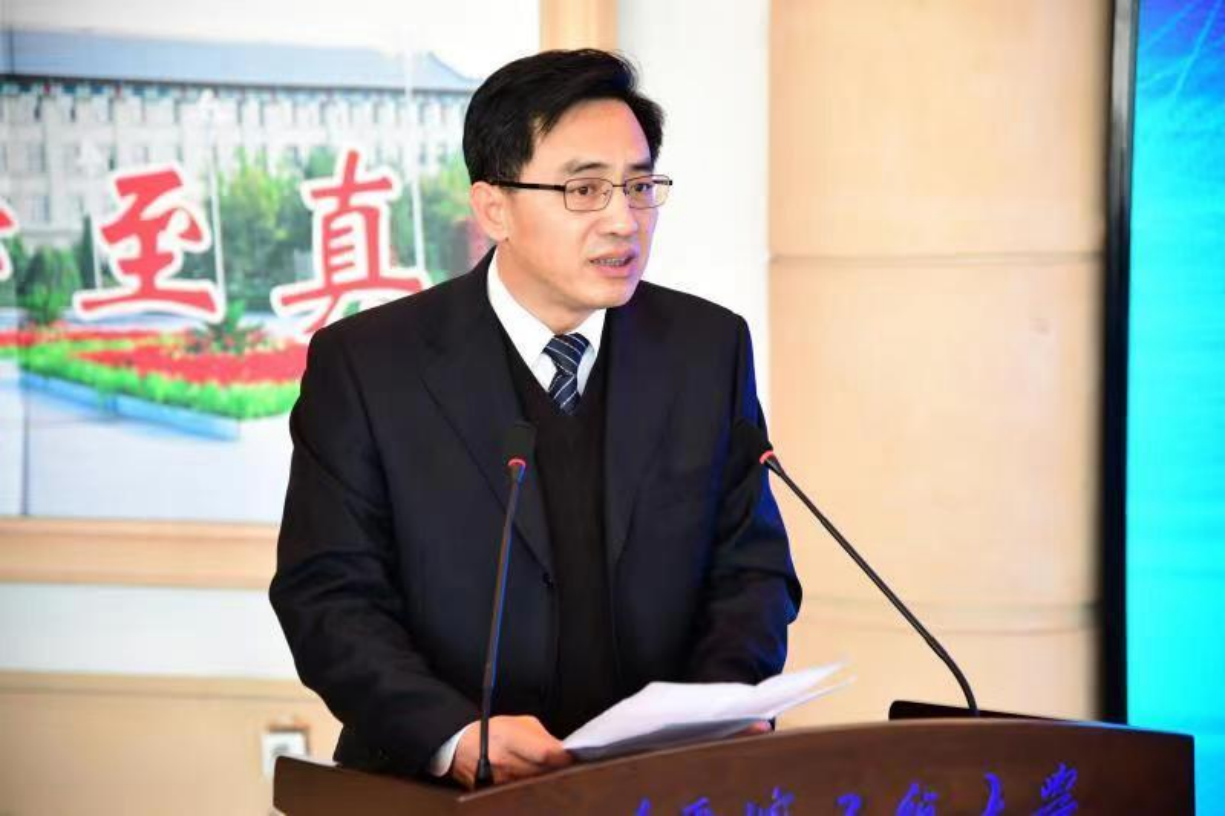
Gao Yan, Secretary of the CPC Committee of Harbin Engineering University; Alexander Pinskiy, Head of Russia’s Marinet Industry Center; and Guo Dacheng, President of the China Association of the National Shipbuilding Industry, delivered opening remarks. Heike Deggim, Director of the Maritime Safety Division of the International Maritime Organization, also addressed the conference. The opening ceremony was chaired by Xia Guihua, President of ICNAME.
Gao Yan introduced Harbin Engineering University’s recent achievements in maritime innovation and international cooperation. He called on ICNAME members to strengthen collaborative research in intelligent and green shipping, address technological challenges arising from the industry’s low-carbon transition, and build an international platform integrating talent development, scientific research and technology transfer.
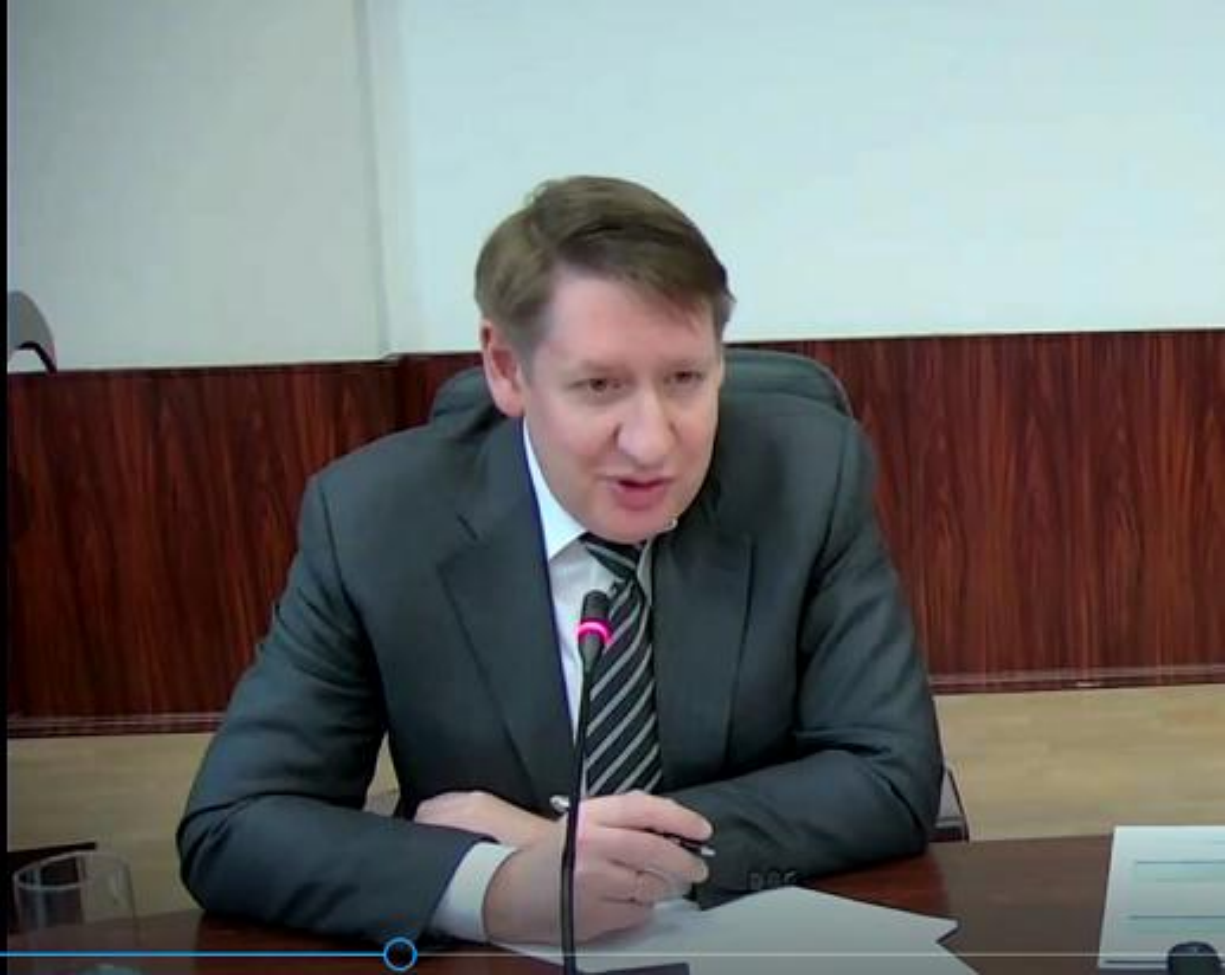
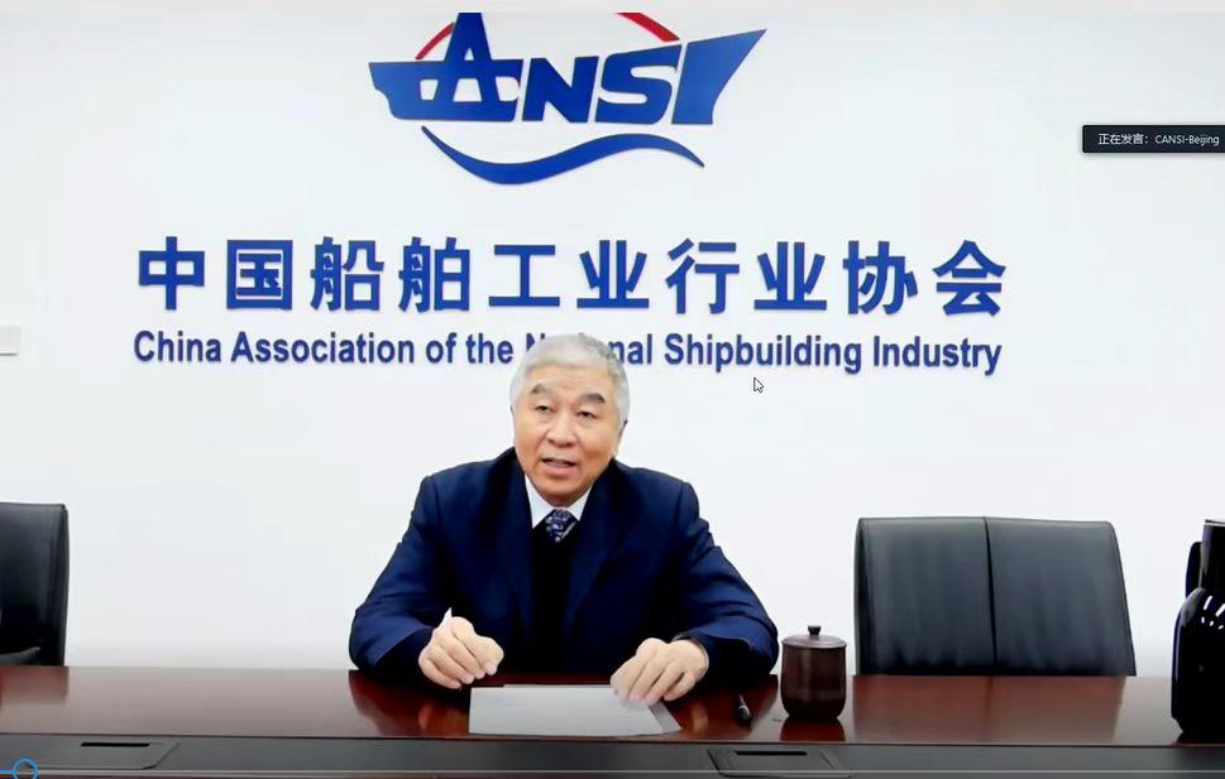
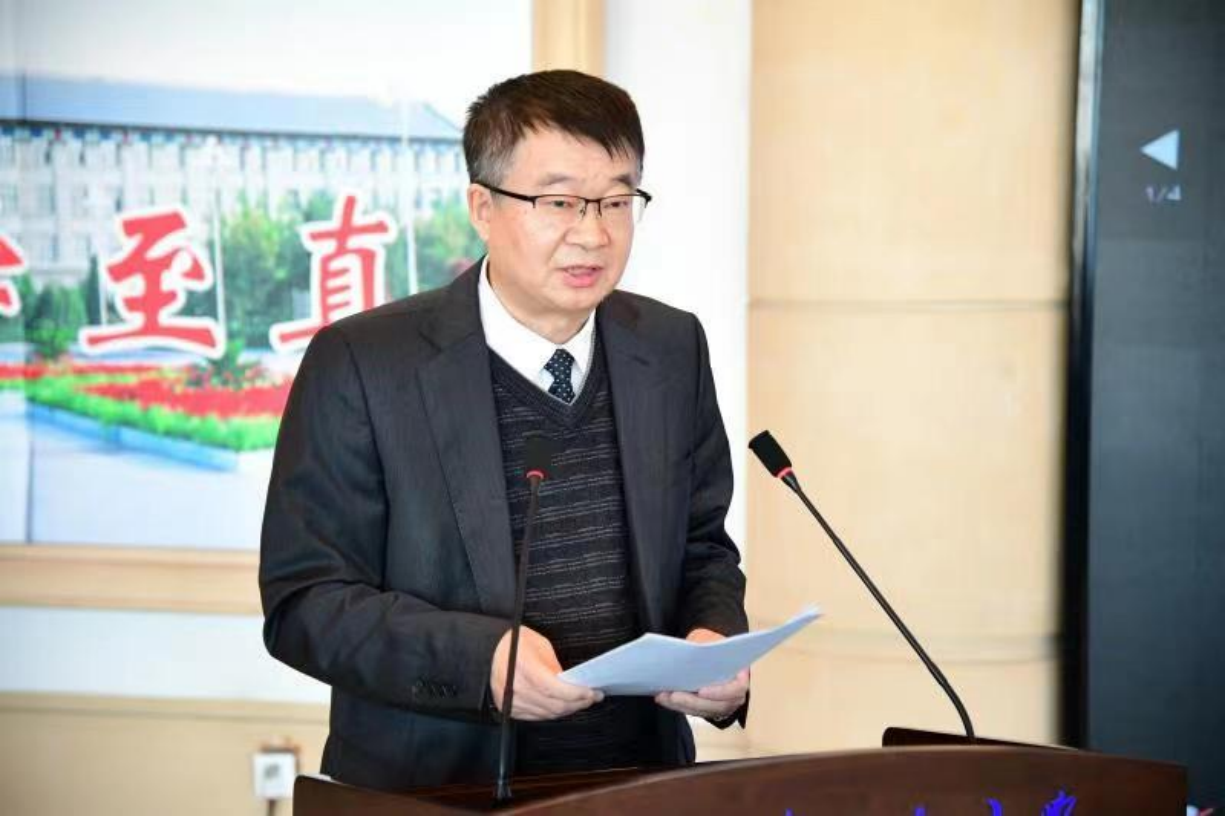
Alexander Pinskiy emphasized the growing importance of international cooperation in global economic and technological development, noting that universities play an essential role in talent cultivation and the application of research achievements. Guo Dacheng highlighted intelligence and decarbonization as two major directions for the future of the global shipbuilding industry.
Following the opening ceremony, the First International Forum on Intelligent and Autonomous Ship Navigation Technologies was chaired by Alexander Klimov, Rector of the Russian University of Transport. Representatives from China, Finland, Japan, South Korea, Norway and Russia presented developments in intelligent and autonomous shipping in their respective countries. Participants also called on the International Maritime Organization to advance the development of appropriate regulations for autonomous ships. During the forum, Alexander Klimov and Xia Guihua jointly launched the initiative to establish the international joint laboratory.
The two-day conference included the International Forum on Intelligent and Autonomous Ship Navigation Technologies, the Green Ship Technology Forum, and the Youth Innovation Forum on Naval Architecture and Marine Engineering. A total of 31 presentations addressed autonomous ships, green and low-carbon energy, emerging industrial needs and frontier scientific challenges.
Offline sessions were organized at Harbin Engineering University, Wuhan University of Technology and the Russian University of Transport, while the conference was broadcast worldwide through bilingual Chinese and English channels. Nearly 1,000 participants attended onsite, and the livestream attracted more than 3,000 views.
The conference was hosted by the China Association of the National Shipbuilding Industry, Russia’s Marinet Industry Center and ICNAME. It was jointly organized by Harbin Engineering University, the Russian University of Transport, Wuhan University of Technology, the Norwegian University of Science and Technology, Satakunta University of Applied Sciences, Tokyo University of Marine Science and Technology, and Seoul National University.
Since its establishment in June 2015, ICNAME has grown to include approximately 70 member and observer organizations from nearly 20 countries. It continues to promote international cooperation in scientific research, technology transfer, talent development and resource sharing, contributing to innovation and industrial applications in naval architecture and marine engineering.